

Students
For Students
Stress, exam pressure, anxiety, bullying, loneliness and family challenges.
Student ResourcesExplore practical mental health guides, videos, downloads, research, school tools, parent resources, teacher support materials and youth wellbeing education.
Each audience has practical education and a clear pathway to deeper support.
Stress, exam pressure, anxiety, bullying, loneliness and family challenges.
Student Resources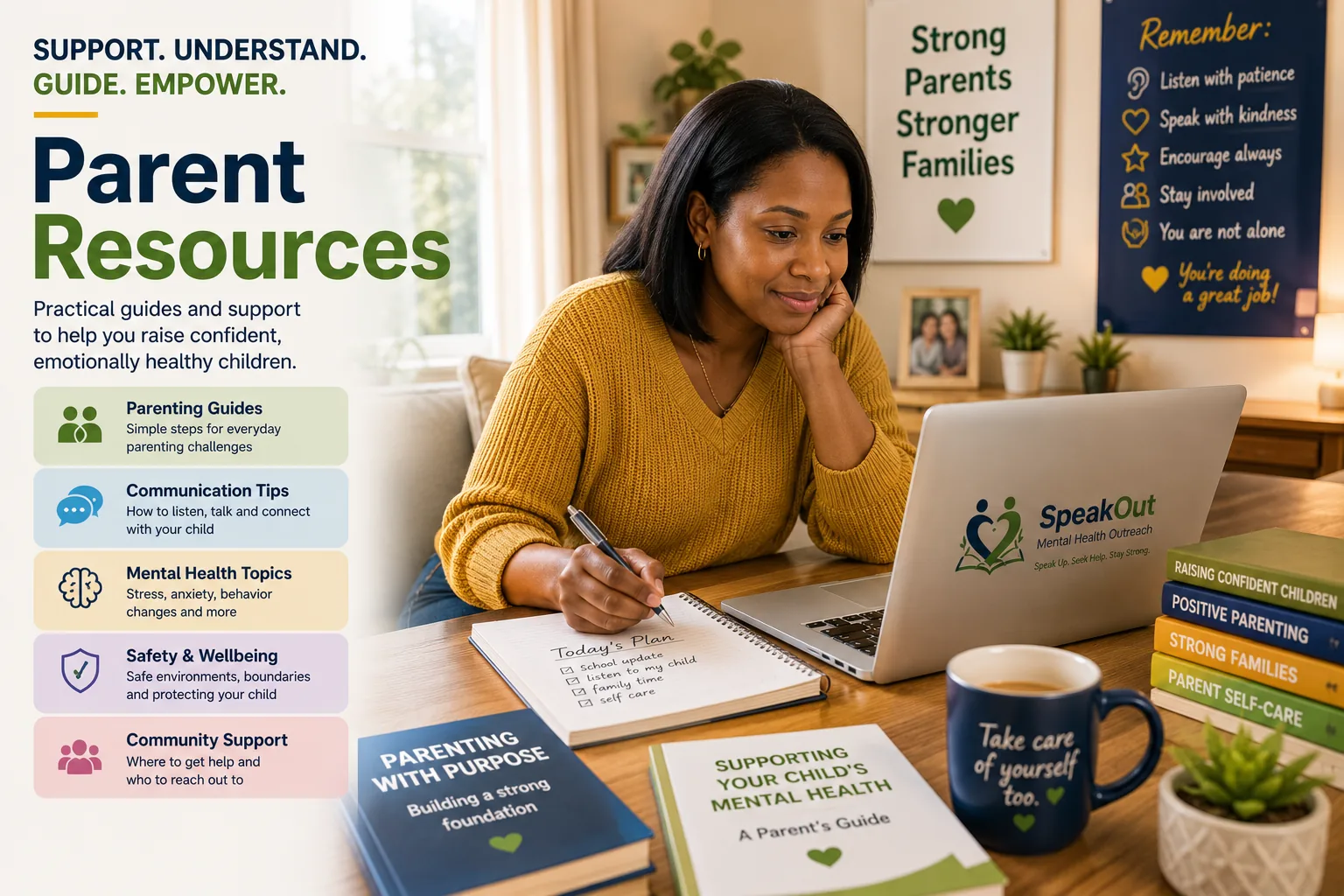
Listening, behavior changes, emotional safety, teenage stress and home support.
Parent Resources
Warning signs, classroom response, referral steps and teacher wellbeing.
Teacher Resources
Club setup, school wellbeing culture, reporting and parent engagement.
School ResourcesFear, worry, panic signs and calming strategies.
Sadness, hopelessness, withdrawal and when to seek help.
Pressure, preparation, rest and emotional balance.
Social media comparison, online harm and boundaries.
How bullying affects wellbeing and what to do.
Respect, communication, consent, boundaries and safety.
Loss, sadness, adjustment and support after pain.
Recognize pressure early and build coping habits.
Stay calm. Listen without shaming. Ask if the person feels safe. If there is immediate danger, contact emergency services immediately. For non-urgent concerns, involve a trusted adult or professional.
Contact SpeakOutStart with the free practical guidance below. Additional member resources may require sign-in and are subject to availability.
Learn common signs, practical grounding steps and when to seek professional support.
Read Free GuidePractical ways to listen, respond without judgement and recognise when a young person needs help.
Read Free GuideLearn what teachers can notice, how to check in safely and when to refer a concern.
Read Free Guide
The video section connects visitors to SpeakOut talks, YouTube content, school campaigns, interviews, parent workshops and outreach highlights.
Open SpeakOut TVSpeakOut’s research direction supports school mental health reports, community feedback, youth surveys, impact learning and policy conversations.
Visit Research Centre
Member Portal links open sign-in. Availability of individual handbooks is not confirmed here.
Free guidance on anxiety, exam stress and help-seeking.
Read Free Guide →Supportive conversations and responding to concerns.
Read Free Guide →Recognise changes, check in and follow safeguarding pathways.
Read Free Guide →Steps for launching school wellbeing clubs.
Open →Recognise immediate danger, listen without blame, avoid promising secrecy and involve a qualified professional or safeguarding lead.
Read guidance →Guidelines for youth advocates and volunteers.
Member Portal →These general steps support safer responses; they do not replace your organisation's safeguarding procedures or professional assessment.
Take concerns seriously. Use calm, non-judgmental language and allow the person to explain in their own words. Do not pressure them to repeat distressing details.
Explain that information may need to be shared with the right safeguarding professional to keep someone safe. Do not promise absolute secrecy. Avoid collecting unnecessary personal details.
For immediate danger, contact local emergency services. For other concerns, involve the designated school safeguarding lead, a trusted responsible adult, or a qualified health professional. Do not investigate allegations yourself.
SpeakOut resources are educational and supportive. They are not a replacement for emergency care, professional medical support or crisis intervention.
Explore resources, take MindCheck, join SpeakHub or contact SpeakOut for partnership and support.